


 English
  Deutsch
Manufacturing Kawaii Erasers: From Design to Mold
Production of kawaii erasers begins with creative design. Designers sketch ideas inspired by animals, foods, cartoons, and other playful concepts. These designs are then converted into molds that shape the erasers. Materials used are typically soft rubber or polymer compounds that allow detailed shaping while maintaining a smooth texture.
Molding techniques vary based on the desired design. Injection molding is common for precise shapes, while hand-carved molds allow more intricate or limited-edition designs. Colors are often integrated during molding rather than added afterward, ensuring vibrant and consistent tones. Manufacturers pay attention to the balance between durability and softness, ensuring erasers remove pencil marks effectively without breaking easily. Quality control checks include shape consistency, color accuracy, and removal performance.
Design Elements: Color, Shape, and Functionality
Kawaii erasers stand out for their combination of visual appeal and utility. Bright colors and whimsical shapes capture attention, making them attractive for both children and collectors. Shapes range from miniature animals and fruits to popular characters and geometric forms. Despite their playful appearance, functionality remains a priority.
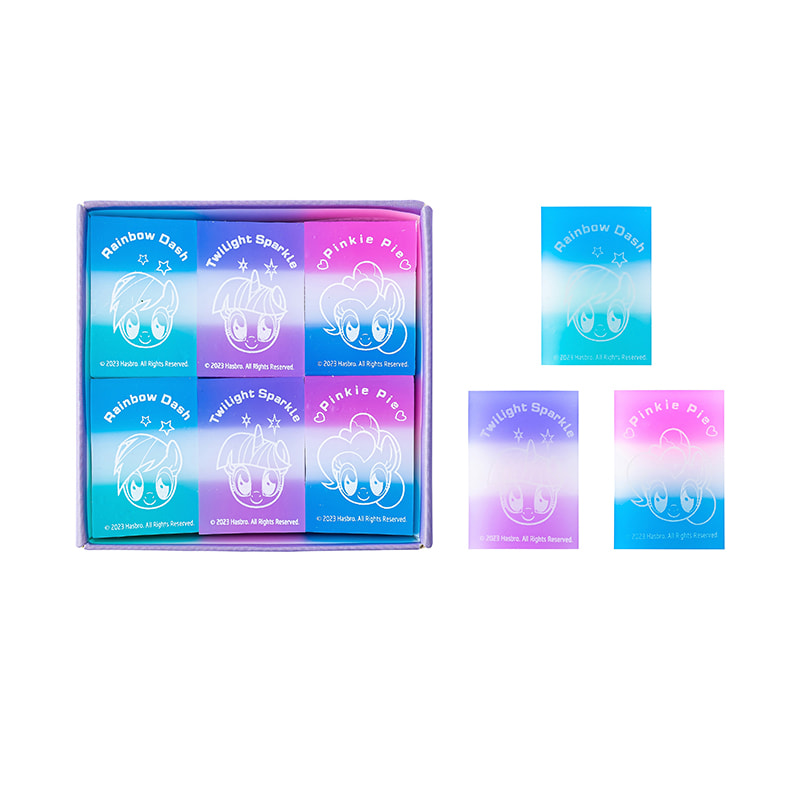
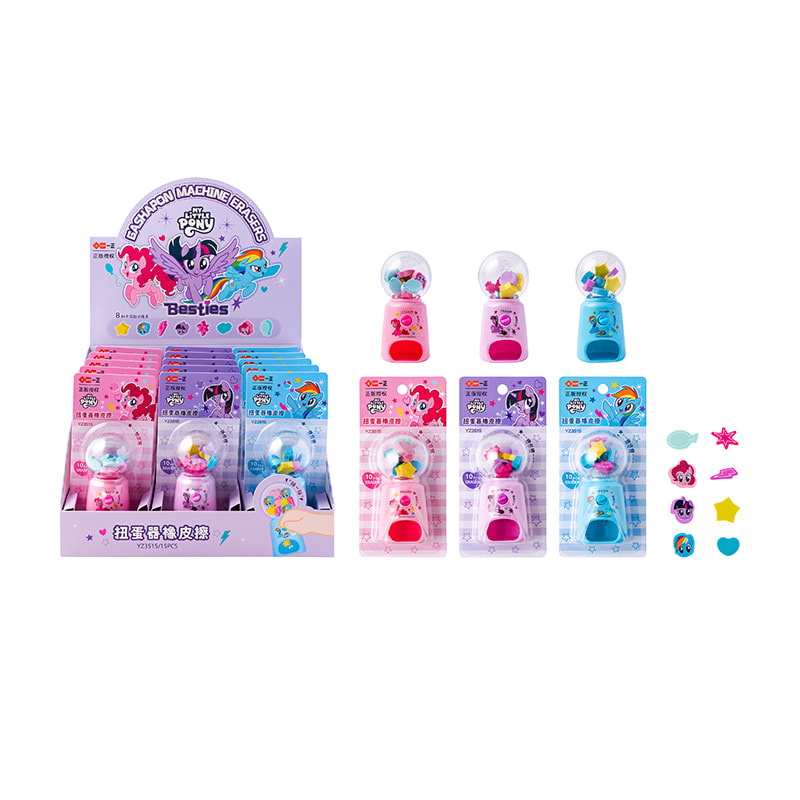
Erasers must maintain smooth edges for precise use and resist crumbling during repeated erasing. Designers consider ergonomics, making the erasers easy to hold for small hands and comfortable for extended use. Some kawaii erasers include detachable parts or layers, adding a tactile element that engages users in creative ways. Patterns and color gradients can be applied within molds, enabling multi-colored designs that are visually appealing while retaining full utility.
Industrial Applications and Production Scale
While kawaii erasers are primarily associated with stationery for students, their production is industrial in scale. Factories often produce thousands of units daily, using automated molding machines alongside manual finishing processes for complex designs. These erasers are packaged in sets or single units, each carefully inspected for quality and design consistency. Large-scale production also involves coordinating supply chains for raw materials and managing batch variations to ensure each set meets design specifications and visual appeal standards.
Kawaii erasers are also used in workshops and educational settings to engage students in creative exercises. Art classes may incorporate them into activities where students design or modify erasers, encouraging hands-on learning. The demand for themed sets, such as animals, food, or seasonal characters, drives variations in production lines, requiring flexibility in mold creation and color application processes.
Trends and Innovations in Kawaii Erasers
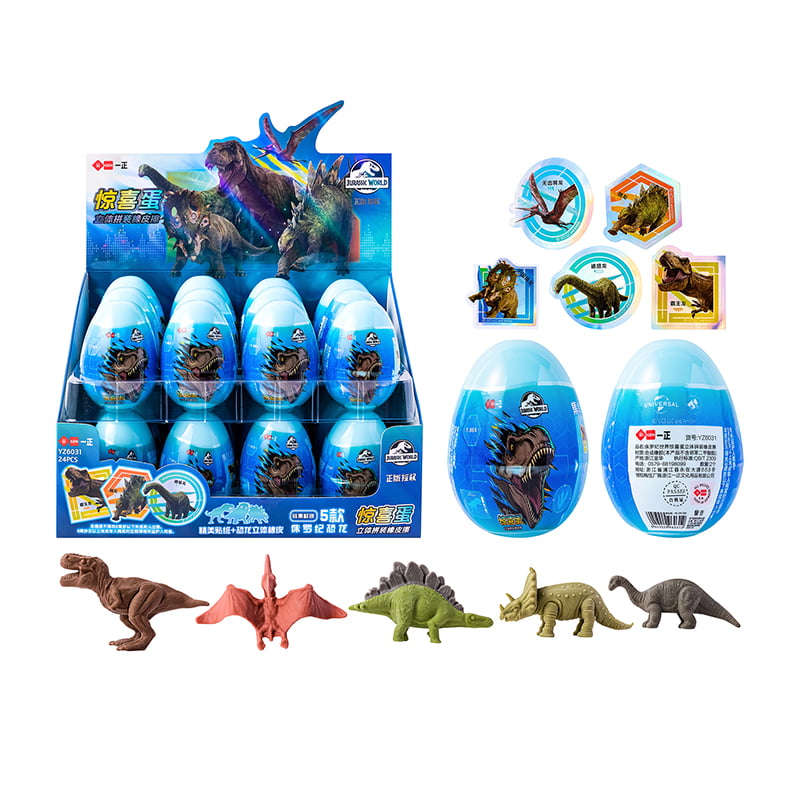
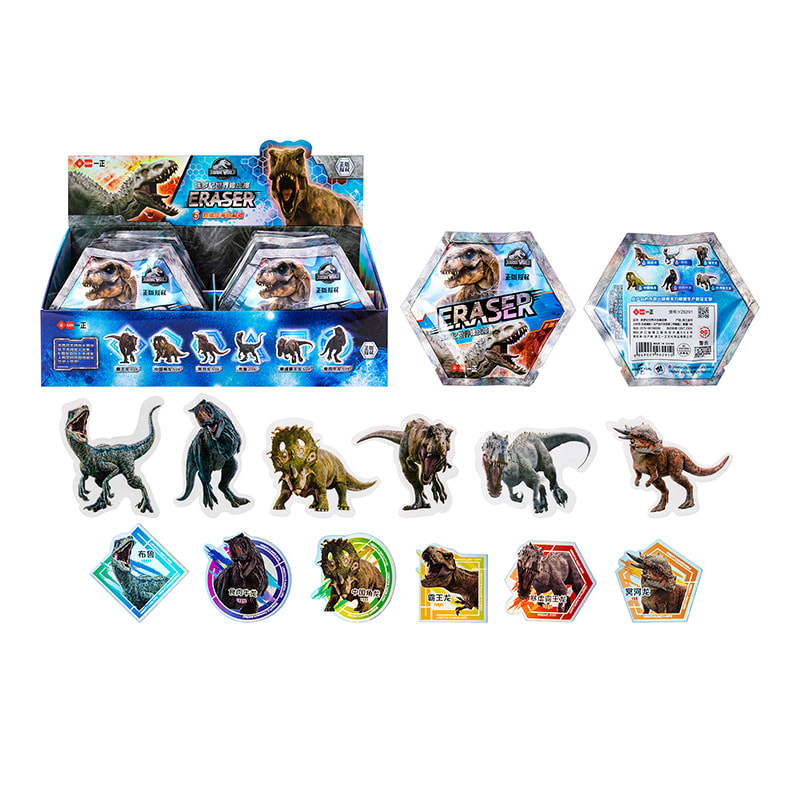
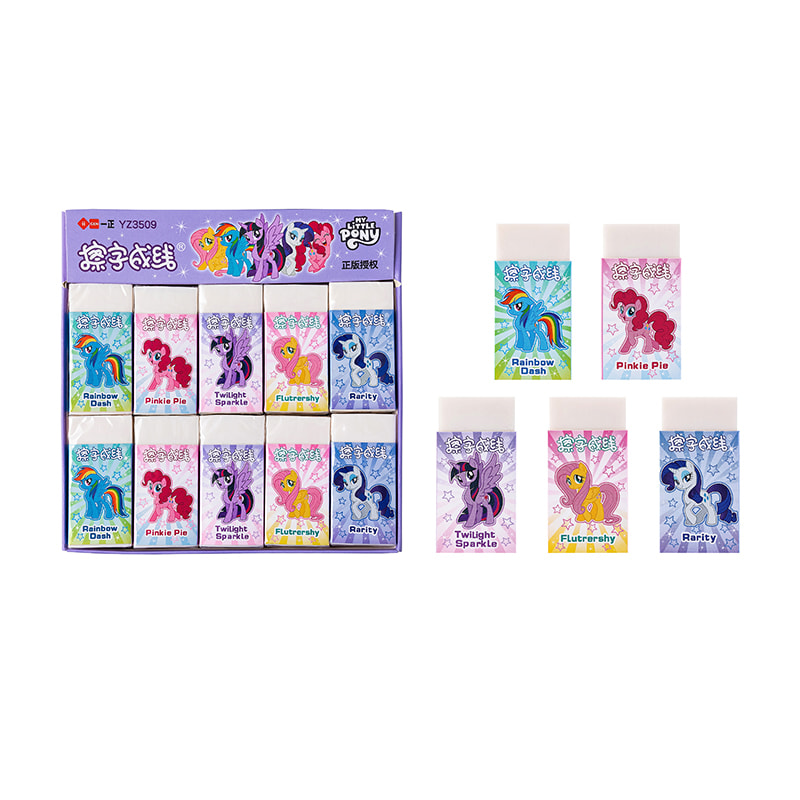
The popularity of kawaii erasers has led to continuous innovation in designs and materials. Newer erasers incorporate unusual textures, scented compounds, and modular shapes that can be connected or combined. Some designs are created in collaboration with artists or popular media franchises, adding cultural relevance and collectible appeal. Limited-edition sets and seasonal releases further attract collectors, encouraging experimentation with new forms, themes, and interactive elements that engage users beyond traditional stationery use.
Production techniques evolve to include 3D printing for prototypes and complex molds, enabling highly detailed designs with minimal material waste. Color mixing during molding allows gradient effects that were previously difficult to achieve. Factories increasingly experiment with soft-touch coatings or layered erasers, offering unique tactile experiences. Emerging methods also explore glow-in-the-dark or transparent materials, creating erasers that combine novelty, functionality, and playful interaction for users of all ages.

 +65 89572571


