


 English
  Deutsch
Where The Appeal Actually Comes From
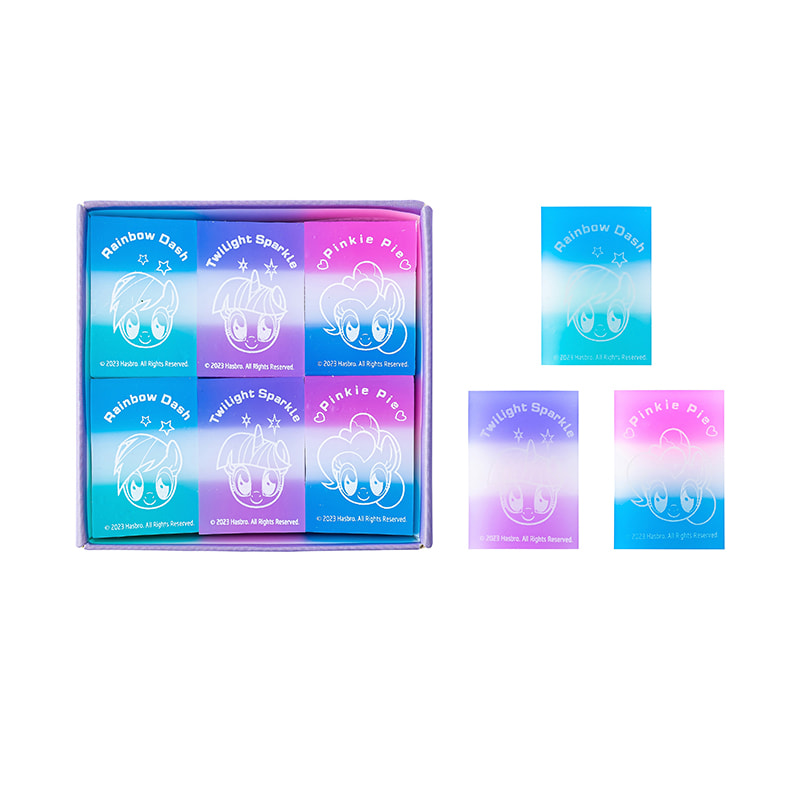
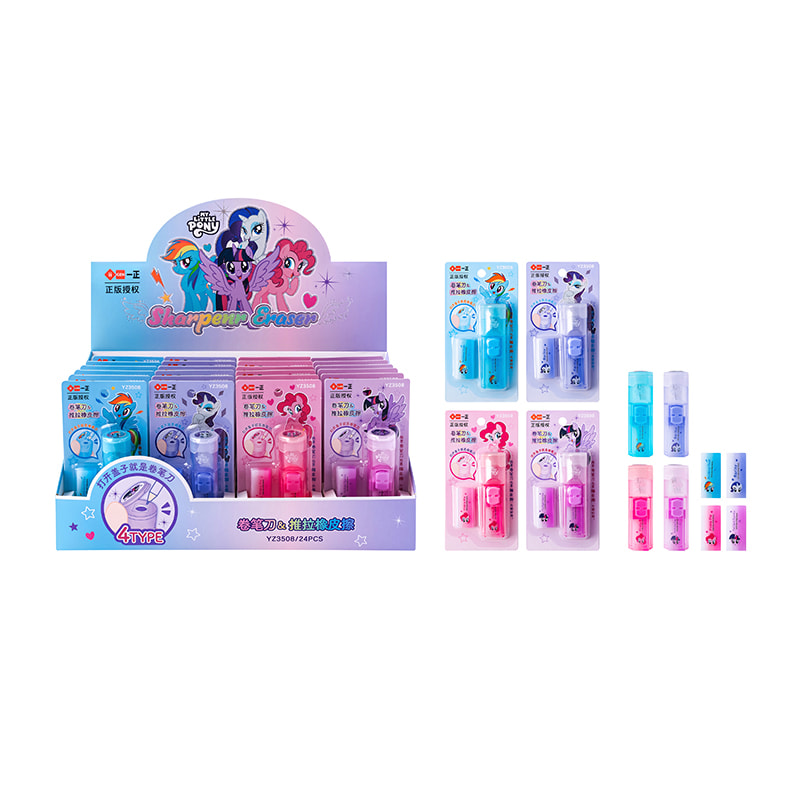
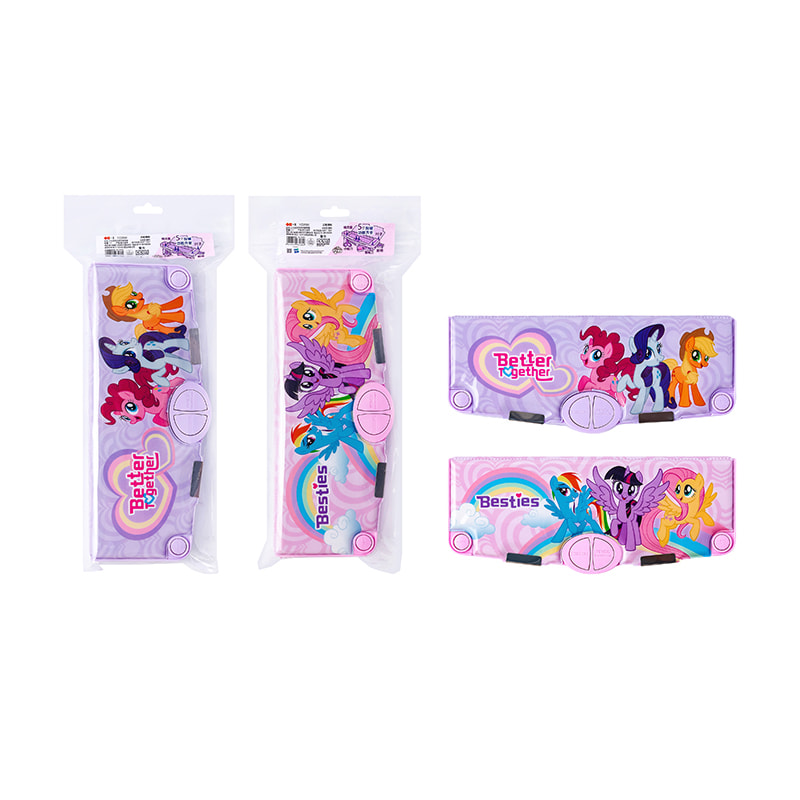
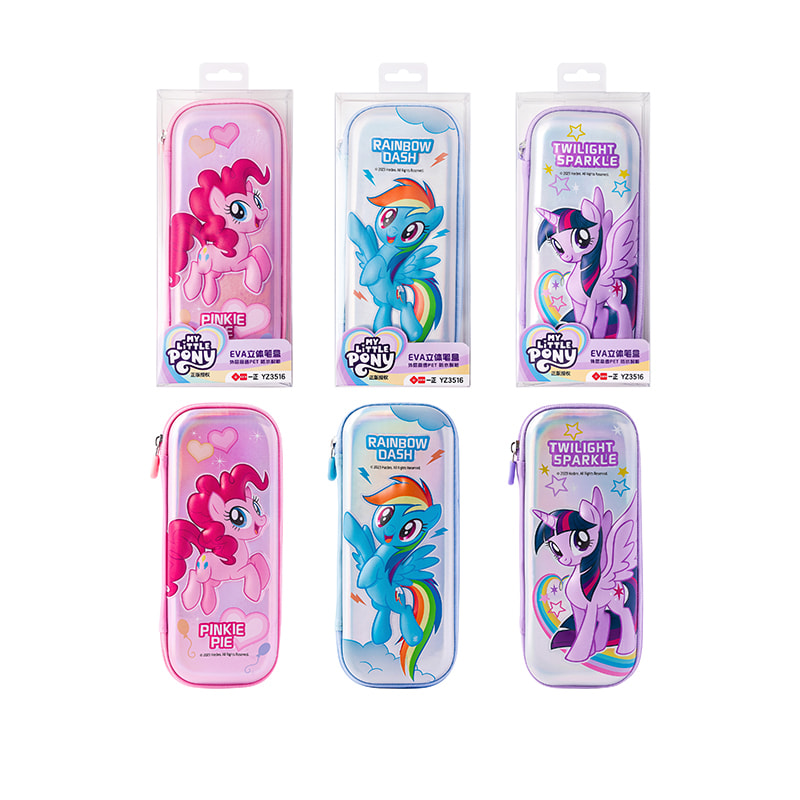
The charm of a cute pencil usually comes down to several design elements working together rather than one standout feature. Soft color palettes, printed patterns, unusual textures, and small decorative additions like toppers or charms all contribute to how a finished product looks on a shelf or in a bulk order photo. It's the combination of these choices, not any single detail, that shapes how a pencil line gets received by buyers.
Surface finish plays a bigger role than people might assume. Some production lines use a matte coating that feels soft to the touch, while others apply glitter-infused finishes or printed illustrations that shift appearance depending on lighting. These finishing choices often factor into cost and production time, which is why manufacturers weigh them carefully before committing to a full production run.
Common Design Elements Worth Noticing
Looking closely at what defines this product category, a few recurring elements show up across different manufacturers and design lines. Common features include:
- Rounded, oversized erasers shaped like animals, fruit, or characters
- Pastel or non-standard barrel colors instead of traditional yellow or black
- Printed patterns such as florals, stars, or illustrated scenes along the barrel
- Novelty toppers or clip-on decorations attached to the pencil's end
Each of these elements adds a step to the production process, whether that's additional printing, molding, or assembly, which is part of why cute pencil lines often carry different manufacturing considerations than standard writing pencils.
How Manufacturers Approach The Design Process
Behind every cute pencil design, there's a fair amount of planning that balances appearance against basic performance. A pencil still has to write smoothly, sharpen without breaking, and hold its shape through regular handling, so decorative elements can't compromise core function. Producers typically weigh several factors during development, including:
- Whether printed designs hold up under repeated handling and sharpening
- How added decorations like toppers affect balance and writing comfort
- Which color and pattern combinations align with current stationery trends
- How eraser shape and material affect durability during regular use
Getting this balance right matters for production efficiency as much as final appearance. A design that looks appealing in a sample photo but performs poorly during actual use tends to generate returns or complaints, which affects how buyers view a supplier's product line going forward.
Materials And Production Considerations
Material choice affects both appearance and manufacturing cost in this category. Wood-cased pencils remain common for their traditional feel, though some production lines use recycled paper barrels or plastic-based alternatives depending on target price points and order volume. Core hardness, barrel coating, and eraser composition all need to be specified clearly during the ordering process, since small variations can affect how consistent a finished batch turns out across a large order.
Printing method also matters at scale. Pad printing, heat transfer, and digital printing each produce different visual results and hold up differently over time, so manufacturers often recommend a specific method based on the design complexity a buyer is requesting.
A Small Product With Real Manufacturing Detail
At the end of the day, a cute pencil demonstrates how much design and production planning can go into what looks like a simple everyday item. What might seem like a minor product decision, choosing one barrel color or eraser shape over another, actually involves real coordination between design intent and manufacturing capability. For suppliers and buyers working in this space, understanding these production details helps set clearer expectations for how a finished order will look and perform once it reaches its final destination.

 +65 89572571


