


 English
  Deutsch
The Timeless Role of Pencil And Eraser
Pencil and eraser combinations continue to serve as go-to tools for many people engaged in writing, drawing, and planning. These simple items appear in classrooms, art studios, and home desks around the world. Their straightforward design allows users to capture thoughts quickly and make adjustments with ease.
The pencil provides smooth lines for notes or sketches, while the eraser lets users refine their work without starting over. Together, they create a practical pair that fits into various activities.
Everyday Uses for Pencil And Eraser
In schools, students rely on pencil and eraser sets during lessons and homework sessions. The tools help with math problems, essay outlines, and quick diagrams. Teachers often notice how these items encourage students to try ideas freely, knowing mistakes can be fixed cleanly.
At home, families use pencil and eraser for grocery lists, weekend projects, or casual doodling. The combination supports activities like coloring books, puzzle solving, or planning events. Many adults keep a pencil and eraser nearby for jotting reminders or marking documents that need later changes.
Designs and Variations in Pencil And Eraser
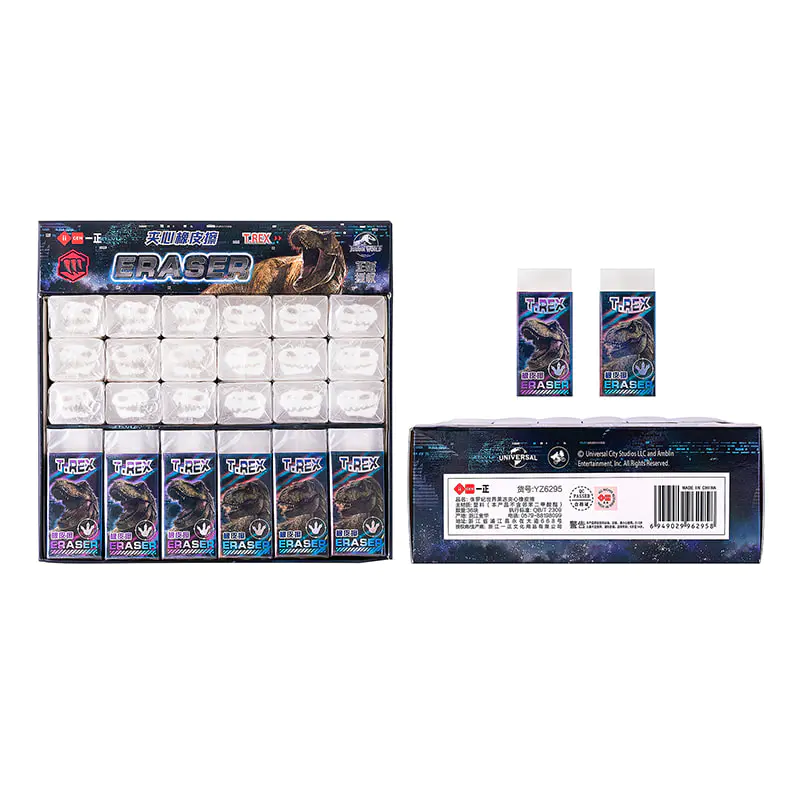
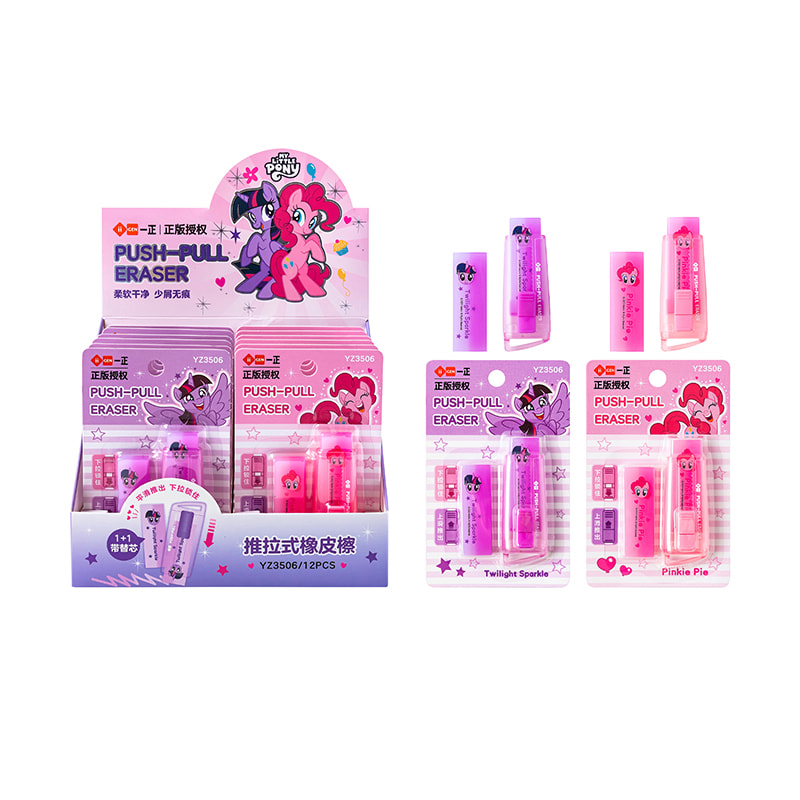
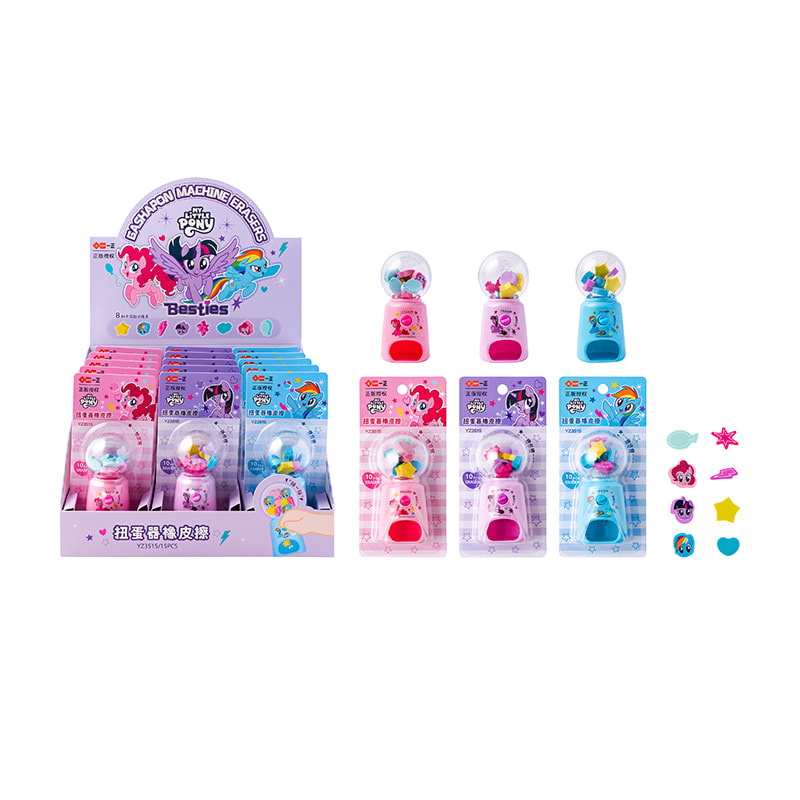
Pencil and eraser options come in different shapes and sizes to match user preferences. Some pencils feature comfortable grips, while others have standard wooden bodies. Erasers range from soft blocks to those attached directly to the pencil end for convenient access.
Varieties include colored pencils paired with matching erasers for artistic work. Others focus on standard graphite pencils suited for general writing. This range allows people to select tools that align with their specific tasks, whether for fine details or broader strokes.
Benefits in Creative and Practical Tasks
Artists often start projects with pencil and eraser to build compositions layer by layer. The pencil lays down initial guidelines, and the eraser removes unwanted marks as the piece develops. This process supports experimentation in illustration, fashion design, and concept sketching.
Writers use pencil and eraser during brainstorming phases to organize thoughts on paper. The ability to erase helps refine drafts before moving to permanent formats. In offices, these tools assist with annotations, calendar markings, and temporary notations that require updates.
Pencil And Eraser in Learning Environments
Educational settings highlight the value of pencil and eraser for developing skills. Young learners practice handwriting and basic drawings, building confidence through easy corrections. The tools promote focus during tests and assignments by reducing pressure around initial attempts.
Older students apply pencil and eraser in subjects like geometry, science diagrams, and language exercises. The pair supports clear visual communication and helps track progress through revisions. Study groups sometimes share sets to collaborate on shared materials.
Pencil And Eraser in Modern Routines
Despite many digital alternatives, pencil and eraser hold a steady place in daily life. Their tactile feel provides a break from screens during idea generation or relaxation. Travelers pack compact versions for on-the-go journaling or map notations.
Hobbyists combine pencil and eraser with other supplies for mixed projects, such as card making or model planning. The versatility keeps the tools relevant across different interests and age groups.
In many ways, pencil and eraser remain dependable companions for expression and organization. They support a wide array of activities through their simple yet effective design. From quick notes to detailed drawings, these tools continue to play a quiet but important role in creative and practical moments.






 +65 89572571


