


 English
  Deutsch
Production of School Pencils
School pencils are fundamental tools in education, combining simplicity, functionality, and affordability. The production process begins with the selection of appropriate wood, commonly cedar, for its durability and ease of sharpening. Graphite cores are produced in various hardness levels, allowing pencils to create different line intensities for writing, sketching, and drawing. The graphite is blended with clay and other binding materials, ensuring consistent quality and smooth application. Once the core is prepared, it is carefully centered within two halves of wooden casing, and precision machinery is used to clamp and glue the pieces together. After drying, pencils are shaped, painted, and sometimes printed with grade information or decorative patterns.
Erasers, if included, are attached using metal ferrules that hold the eraser firmly while allowing it to be used repeatedly without detachment. The combination of wood, graphite, and eraser materials is carefully balanced to maintain durability and user comfort. During manufacturing, quality control checks ensure that pencils are straight, the core is well-centered, and the paint and printing are consistent.
Usage of School Pencils
School pencils are used across a variety of educational settings and grade levels. Students rely on pencils for note-taking, writing assignments, examinations, and creative projects such as drawing or labeling diagrams. Teachers often recommend pencils due to their erasable nature, allowing students to correct mistakes easily. In addition to general classroom activities, pencils are used in standardized testing environments, where consistent writing performance is required. The flexibility of pencil use makes them suitable for a wide range of subjects, from mathematics and science to art and language exercises.
School pencils serve creative purposes. Colored pencils enable students to add illustrations, diagrams, and artistic elements to their work. Pencils with different hardness levels allow for shading, sketching, and technical drawing, enhancing both artistic and analytical skills. Pencil grips, ergonomic designs, and pre-sharpened models support younger students in developing fine motor skills and proper writing posture. The tactile experience of using a pencil also encourages focus and concentration, providing a hands-on learning method that digital devices cannot fully replicate.
Design Considerations and Trends
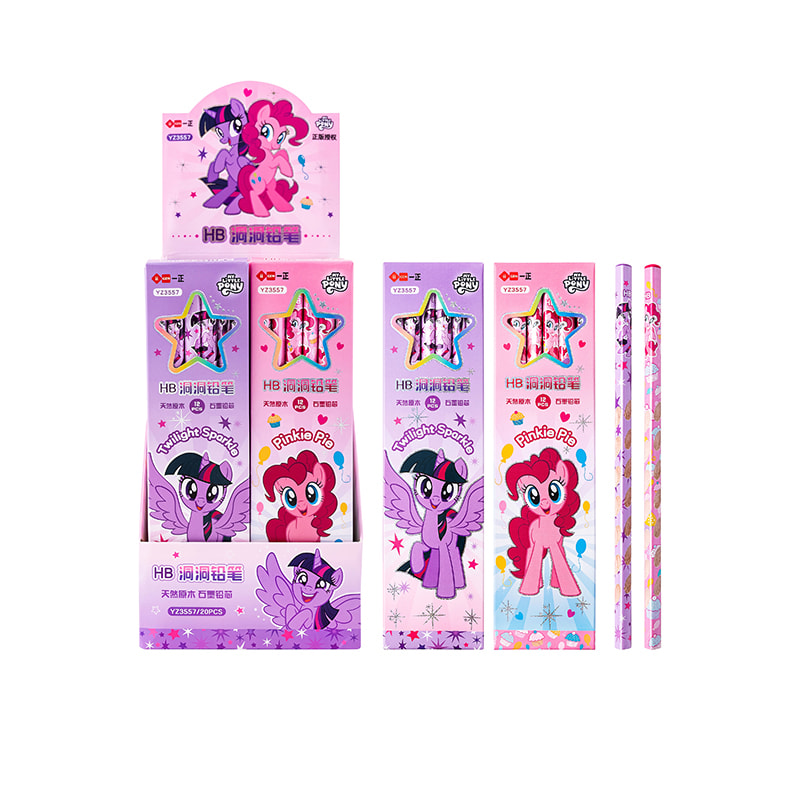
Design innovation in school pencils balances functionality, comfort, and aesthetics. Hexagonal pencils prevent rolling, while triangular or round pencils offer ergonomic options. Smooth finishes, quality paint, and printed designs enhance visual appeal, making pencils attractive for students. The graphite core’s consistency and smoothness are crucial to ensure comfortable writing and accurate line production. Some pencils include integrated features such as built-in erasers, grips, or mechanical mechanisms for easy extension and sharpening. Colored pencils and specialty sets offer additional design elements, promoting creativity and personal expression.
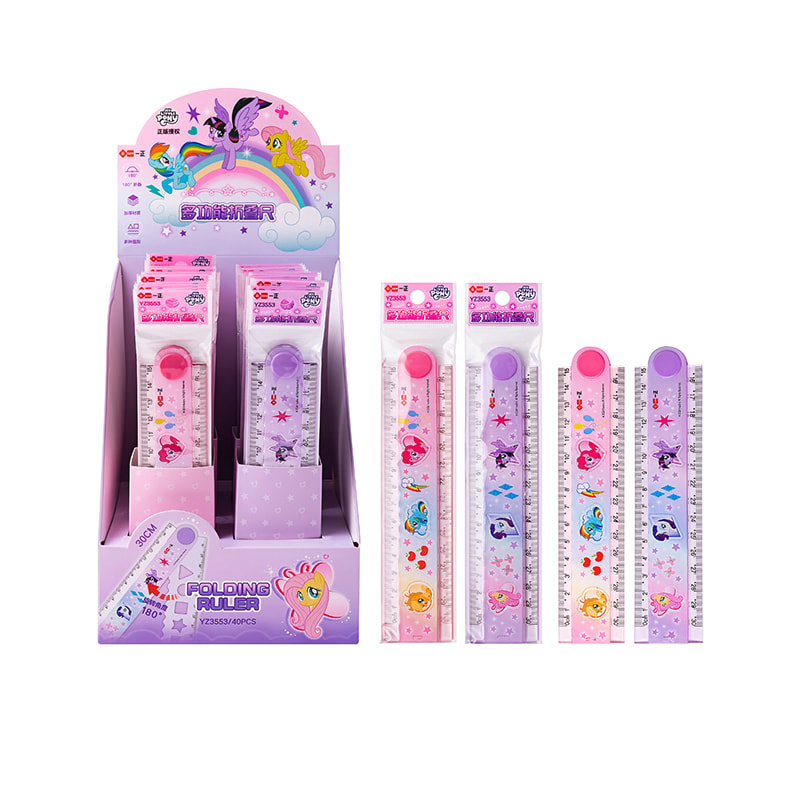
Pencils are often paired with complementary products such as erasers, sharpeners, rulers, and notebooks to create cohesive writing kits. Educational institutions frequently standardize pencil types to support uniformity in classroom environments. Students benefit from pencils that are comfortable to hold for extended writing periods, with balanced weight and smooth action. The combination of durability, usability, and appealing design contributes to the pencil’s continued popularity in schools worldwide.
School pencils interact with broader educational and cultural trends. They are incorporated into creative projects, classroom activities, and learning games, supporting engagement and skill development. Teachers and students use pencils for practical applications, from simple writing to intricate diagrams and creative expression. These devices remain an essential part of classroom culture, supporting both academic and creative development in an accessible, hands-on manner.


 +65 89572571


