


 English
 Deutsch

The back-to-school season compresses an entire year of demand into a few months, and the factories that supply it operate on a rhythm few other consumer categories match. Back to school stationery covers a wide field—notebooks, pencils, erasers, sharpeners, rulers, folders, and pouches—and each product line carries its own manufacturing logic.
Writing Instruments and Their Tooling
Pencils and pens involve their own set of manufacturing steps. A wooden pencil starts as slats of wood, which are grooved, filled with cores, glued, and shaped into the familiar hexagonal or round profile. The core itself is a mixture of graphite and clay, fired to hardness. The ratio of graphite to clay determines whether the pencil writes soft and dark or hard and light—a specification buyers should pin down rather than leaving to chance.
Pen production leans on injection molding for barrels, caps, and tips, with the ink system as the performance variable. Ballpoint and gel formulations differ in viscosity and drying behavior, and the tip's ball diameter controls line width. Factories that control both the molded components and the ink fill in-house can maintain consistency across a large back to school stationery order.
Erasers, Sharpeners, and Molded Accessories
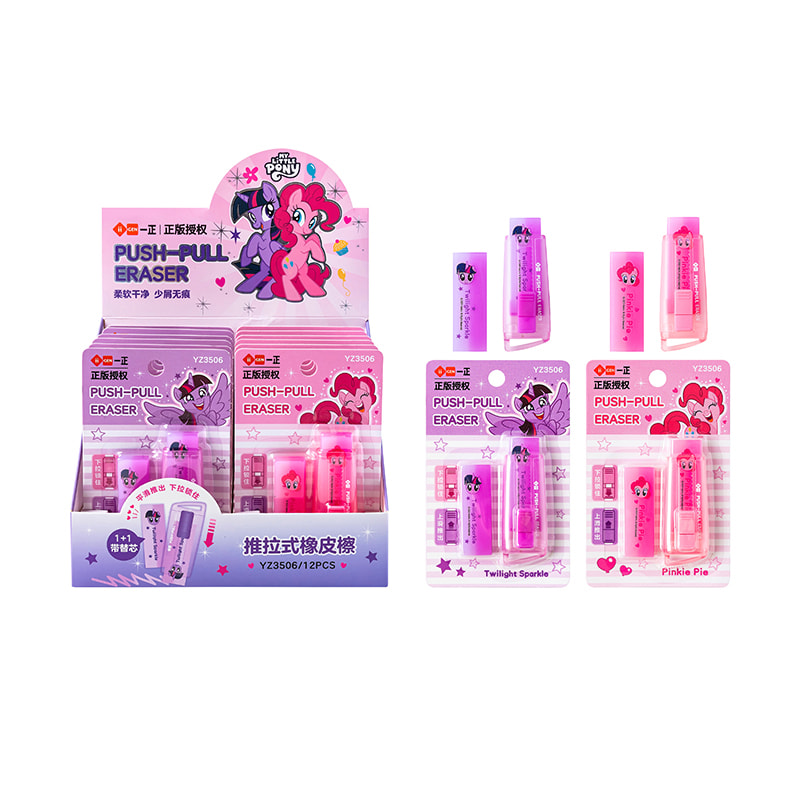
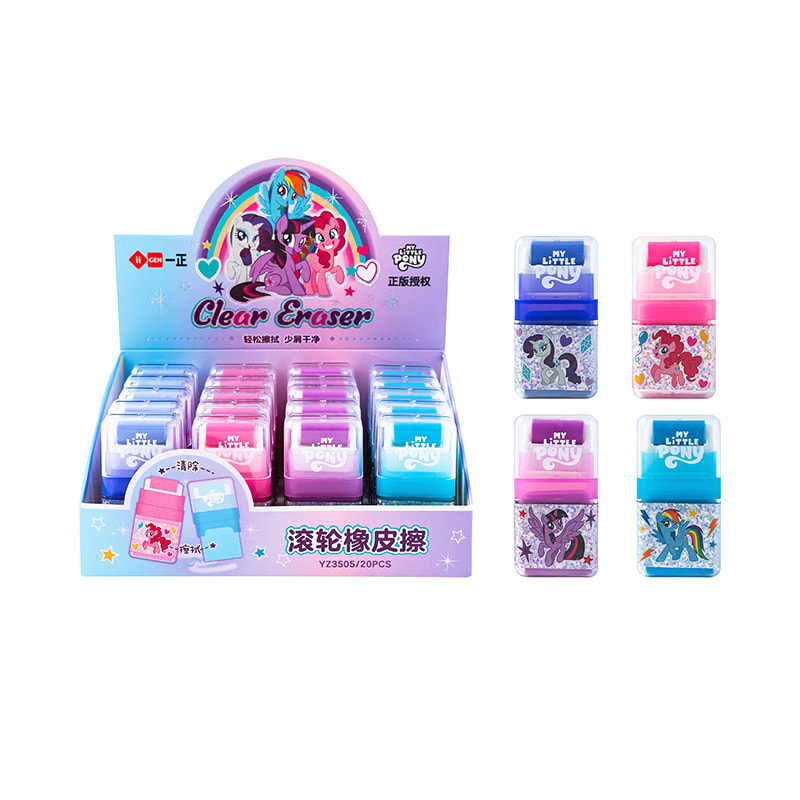
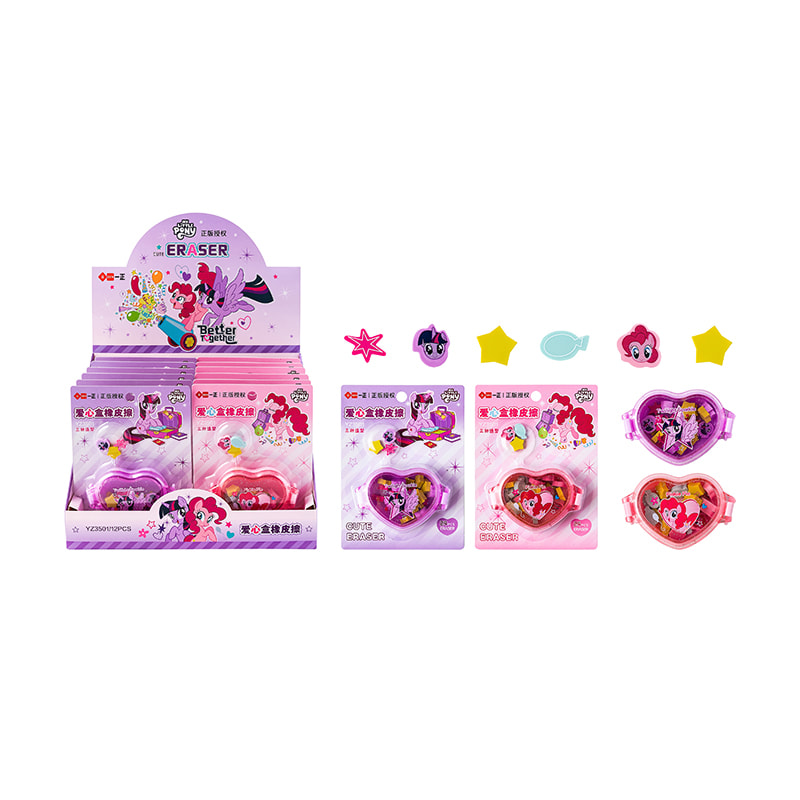
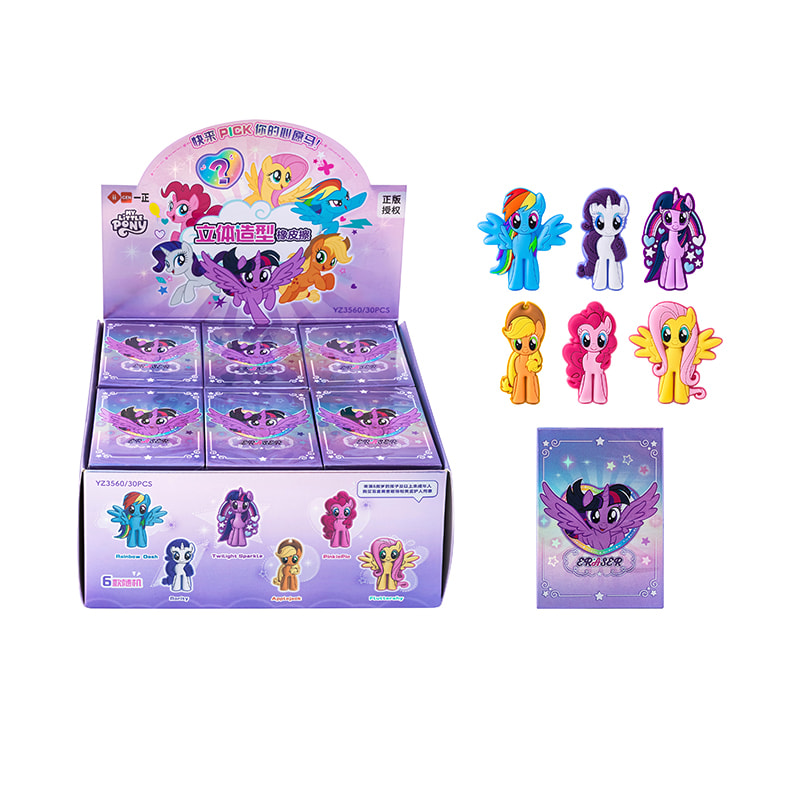
Molded accessories round out the back to school stationery lineup. Erasers are compounded from rubber or thermoplastic elastomer, then molded or extruded into blocks and sleeves. The compound's softness affects how cleanly it lifts graphite without smearing, and the molding process determines whether the eraser holds its shape after repeated use.
Sharpeners combine a molded body with a steel blade. The blade's angle and sharpness govern how cleanly a pencil is cut, and the body's design must hold the blade at the correct position without flexing. A factory producing these items needs both plastic molding and metal stamping capability, or reliable partners for each. Buyers can ask which components are made in-house, since that answer reveals how much of the supply chain the supplier actually controls.
Assembly, Kitting, and Packing for Retail
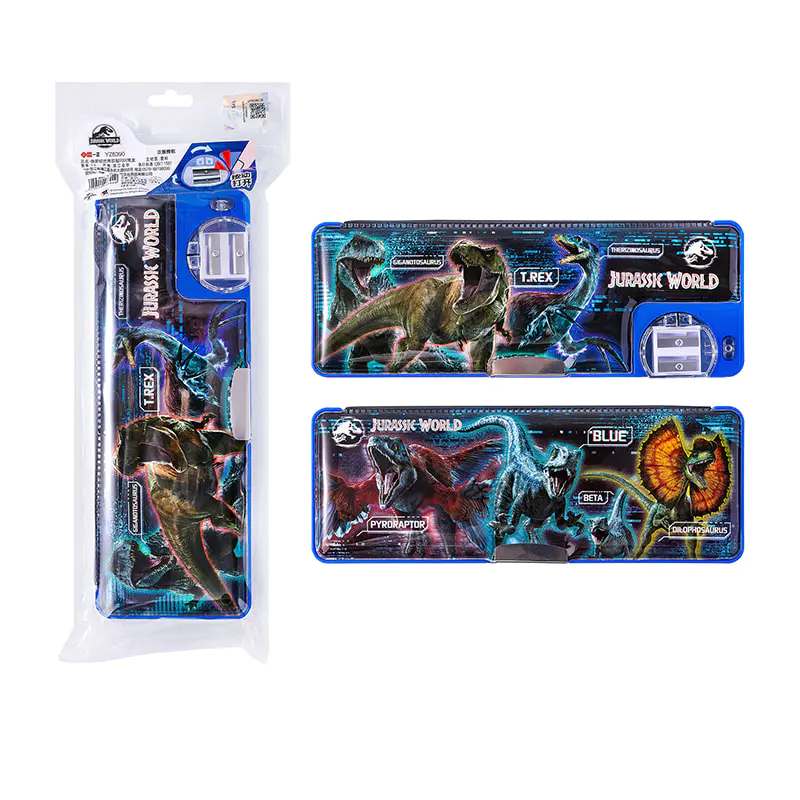
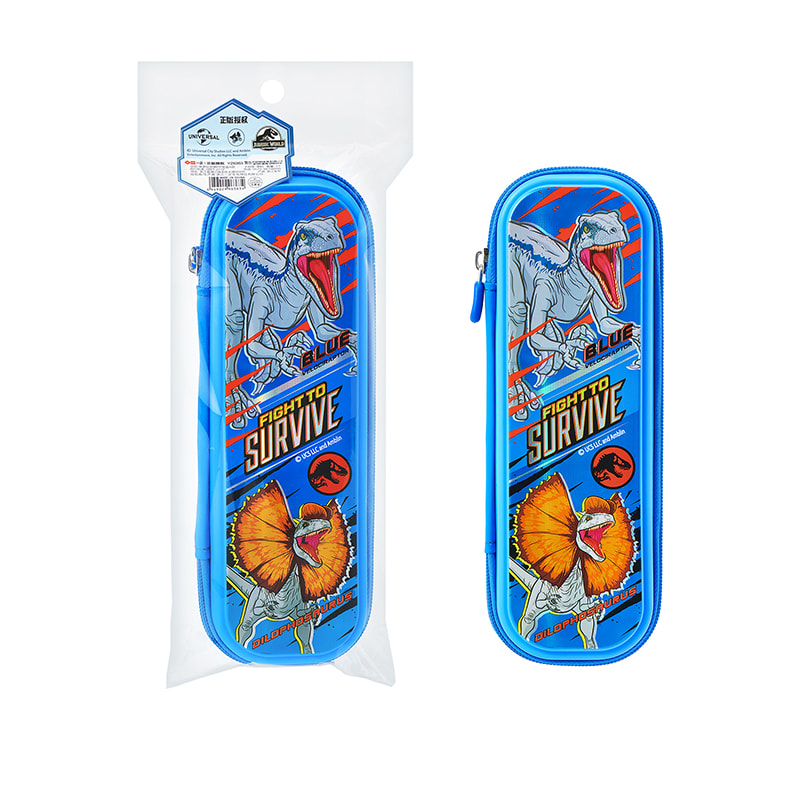
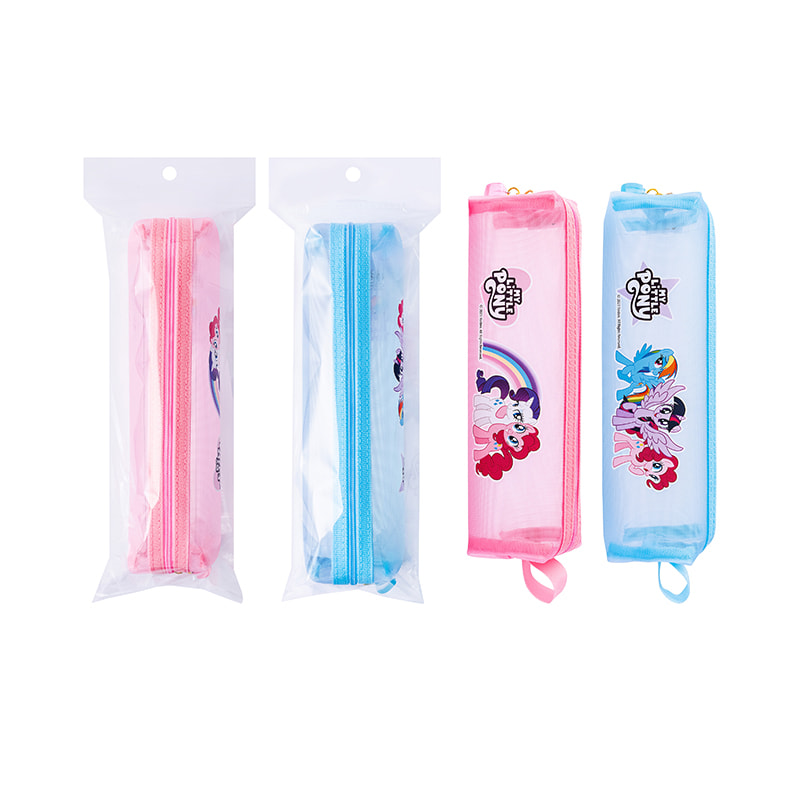
Many back to school stationery products ship as sets: a pencil case with pencils, an eraser, and a sharpener, or a notebook paired with a pen. Kitting adds a labor step and a verification step. Each component must be counted, placed, and sealed, and the kit must match the packaging artwork the retailer approved.
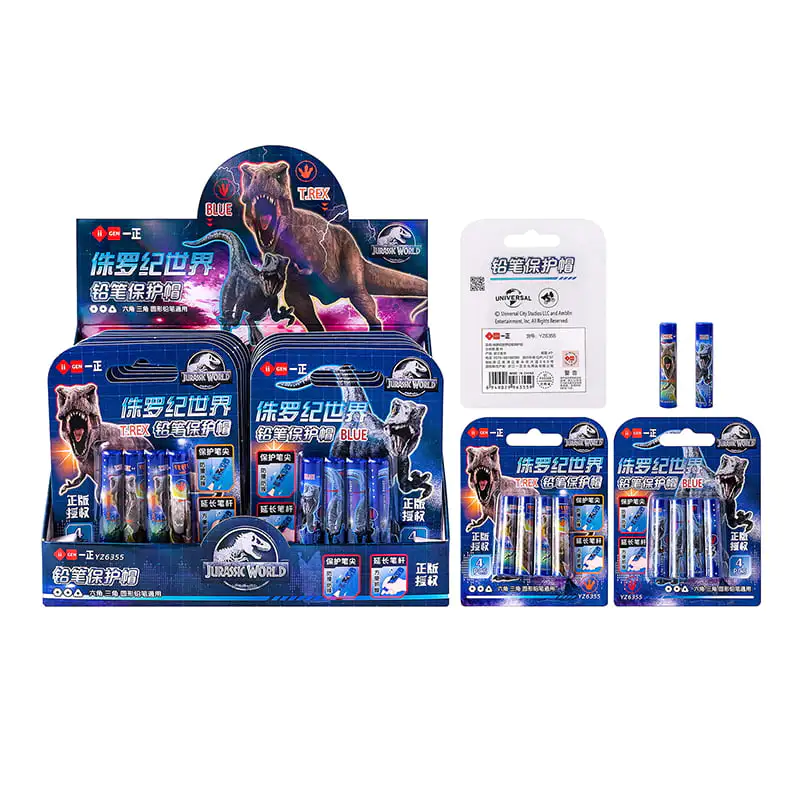
Packing choices affect damage rates in transit. Poly bags protect against moisture and scuffing, while blister packs display the product and deter tampering. The factory's packing line should be set up to handle the specific configuration the buyer ordered, rather than adapting a generic process at the last minute.
Seasonal Planning and Capacity
The back to school stationery business rewards planning. Orders are placed months ahead of the selling season, and factories schedule production to avoid congestion near shipping deadlines. A supplier with visibility into its raw material times—paper, pigment, molded parts—can commit to delivery windows with more confidence.
For buyers, the useful questions concern capacity and scheduling: how many production lines run during peak season, what the typical time is for repeat items, and how the factory handles a change order once production has started. A supplier that answers these with specifics is describing a production system built for the category's rhythm. Back to school stationery is a volume business with narrow timing windows, and the factories that succeed at it are the ones whose processes are tuned to both.

 +65 89572571



